
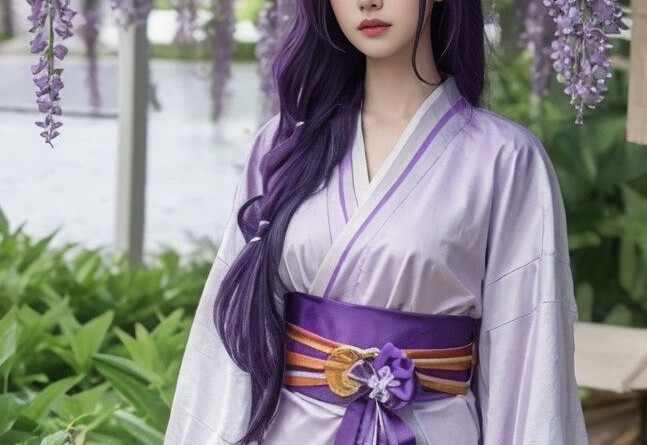
Kimono vs. Yukata: Threads of Culture, Stitched into Modern Japan
Walk down a street in Kyoto during festival season, and you might feel like you’ve stepped into a time machine. Young women swish past in colorful garments, couples pose for photos in front of ancient temples, and shop windows gleam with silken robes. But look closer: not all traditional Japanese garments are created equal. Some are kimono, some are yukata—and both tell very different stories stitched through time.
Let’s unravel the history, style, and surprising revival of these iconic outfits in 21st-century Japan.
A Tale of Two Robes
Though kimono and yukata share a similar silhouette—wrap-style garments tied with an obi (sash)—they come from different cultural origins and serve distinct purposes.
- The Kimono: The more formal of the two, the kimono is a garment of status, ceremony, and tradition. Derived from the word kiru (to wear) and mono (thing), kimono literally means “thing to wear.” But don’t let the name fool you—this “thing” is no casual throw-on. Worn with elaborate undergarments, layered silk, specific seasonal colors, and accessories like zori sandals and obijime cords, the kimono is an art form in itself.
- The Yukata: Think of the yukata as the kimono’s breezy cousin. Originally a bathrobe worn by nobles after soaking in hot springs, the yukata (yu = bath, katabira = underclothing) evolved into casual summer wear for the common people. Made from lightweight cotton or linen and worn directly over the skin, it’s perfect for fireworks festivals, street food strolls, and bon-odori dances.
History Woven in Fabric
- Kimono date back to the Heian period (794–1185), when the aristocracy wore multiple silk layers in court. Over time, different classes adapted the kimono to fit their lifestyles, with samurai favoring subdued tones and merchants expressing wealth through elaborate patterns. After the Meiji Restoration, Western clothing began to dominate daily wear—but kimono remained essential for weddings, tea ceremonies, and rites of passage.
- Yukata, on the other hand, democratized fashion. By the Edo period (1603–1868), commoners wore yukata during summer festivals, using indigo-dyed cotton and block-printed designs to express creativity on a budget. While less formal, yukata culture has its own codes—like choosing motifs that match the season (morning glories in summer, dragonflies in early fall).
Modern Revival: Street Style Meets Heritage
Fast forward to 2025, and both kimono and yukata are making an unexpected comeback—not just among the older generation, but with fashion-forward youth.
- Kimono Streetwear: Young Japanese designers are deconstructing the kimono, pairing it with sneakers, denim, or even turning it into jackets and dresses. Brands like Jotaro Saito and Modern Antenna are redefining kimono as daily wear—challenging the idea that tradition must remain untouched.
- Yukata Chic: Instagram-friendly yukata rentals have exploded in popularity, especially in Kyoto, Asakusa, and Kanazawa. Trendy cafés offer yukata + matcha photo packages. Influencers mix vintage yukata with edgy accessories. Some even dye their own fabric in old-school indigo workshops.
In a country where fashion is often a dance between innovation and preservation, this revival speaks volumes. It’s not nostalgia—it’s renewal.
Kimono or Yukata: How Do You Choose?
| Feature | Kimono | Yukata |
|---|---|---|
| Material | Silk, wool, synthetic blends | Cotton or linen |
| Formality | Formal to semi-formal | Casual |
| Occasions | Weddings, tea ceremonies, funerals | Summer festivals, fireworks shows |
| Layers | Multiple (under-kimono, ties, collar) | Simple, often worn with a slip |
| Price Range | High (can be thousands USD) | Affordable (from $30 and up) |
| Ease of Wear | Requires training or help | DIY-friendly, often rental-based |
Final Stitch: Fashion as Cultural Conversation
Kimono and yukata are more than beautiful garments—they’re fabric time capsules, visual poems, cultural bridges. They carry the weight of history yet adapt like second skin to new generations.
In a fast-paced, tech-driven server jepang, their continued presence proves one thing: tradition isn’t something you archive. It’s something you wear, reinterpret, and keep alive—one fold, one pattern, one festival at a time.
So next time you see someone in a dazzling robe on a Tokyo street or a Kyoto alley, ask yourself: is it a kimono, a yukata, or something wonderfully in between?
