
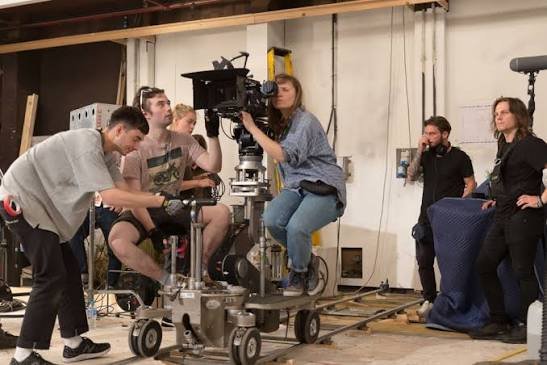
Understanding Cinematography: The Art Behind Every Great Movie
When people talk about UBKINO their favorite movies, they often mention the story, actors, or special effects. However, one of the most important elements of filmmaking often goes unnoticed—cinematography.
Cinematography is the visual language of a movie. It influences how audiences experience emotions, understand characters, and follow the story. Every camera angle, lighting setup, and movement is carefully planned to create a specific atmosphere.
Whether it’s an intense action sequence or a quiet emotional scene, cinematography helps transform a screenplay into a memorable visual experience.
What Is Cinematography?
Cinematography is the art and technique of capturing moving images for film or digital media.
A cinematographer, also known as the Director of Photography (DP), works closely with the director to determine how each scene should look on screen.
Their responsibilities often include:
- Camera placement
- Lens selection
- Lighting design
- Camera movement
- Shot composition
- Visual consistency
Together, these elements shape the movie’s visual identity.
Why Cinematography Matters
Excellent cinematography does much more than create beautiful images.
It helps audiences:
- Understand emotions
- Follow important story moments
- Focus on key characters
- Experience suspense
- Feel connected to the environment
Without strong cinematography, even an excellent script may lose much of its emotional impact.
Camera Angles and Their Purpose
Different camera angles communicate different emotions.
Eye-Level Shot
This is the most natural perspective and helps audiences feel connected with the characters.
High-Angle Shot
Looking down on a character often creates a feeling of vulnerability or weakness.
Low-Angle Shot
Shooting from below can make a character appear powerful, confident, or intimidating.
Bird’s-Eye View
This perspective provides a wide overview of a location and is often used to establish the setting.
Close-Up Shot
Close-ups highlight facial expressions and emotional reactions.
They help audiences understand what a character is feeling without relying on dialogue.
The Importance of Lighting
Lighting plays a major role in visual storytelling.
Different lighting styles create different moods.
Examples include:
- Bright lighting for cheerful scenes
- Soft lighting for romance
- Low lighting for mystery
- High contrast for thrillers
- Warm colors for comfort
- Cool tones for suspense
Lighting helps communicate emotions before characters even speak.
Camera Movement
Camera movement can dramatically change how viewers experience a scene.
Common techniques include:
- Pan
- Tilt
- Dolly
- Crane
- Handheld
- Tracking shot
Smooth movement often creates elegance, while handheld shots may increase realism and tension.
Composition in Filmmaking
Composition refers to how visual elements are arranged within the frame.
Good composition guides the viewer’s attention naturally.
Important composition techniques include:
- Rule of thirds
- Leading lines
- Symmetry
- Framing
- Depth
- Negative space
These techniques make scenes more visually engaging.
Color and Visual Style
Color grading is another essential part of cinematography.
Different color palettes influence how audiences interpret a scene.
For example:
- Blue often creates calmness or isolation.
- Orange adds warmth.
- Green may suggest nature or mystery.
- Red often symbolizes passion or danger.
- Black and white emphasizes contrast and timeless storytelling.
Consistent color choices strengthen a film’s identity.
Lens Selection
Different lenses create different visual effects.
Wide-angle lenses capture more of the environment.
Telephoto lenses compress distance and isolate subjects.
Macro lenses reveal small details that are difficult to see with the human eye.
Choosing the right lens helps support the emotional tone of each scene.
Visual Storytelling Without Dialogue
Some of the most memorable movie scenes contain very little dialogue.
Instead, cinematography communicates through:
- Expressions
- Camera movement
- Lighting
- Colors
- Composition
- Environmental details
Strong visual storytelling allows audiences to understand emotions naturally.
Cinematography in Different Genres
Each movie genre uses cinematography differently.
Action Movies
Fast camera movement, dynamic angles, and dramatic compositions increase excitement.
Horror Movies
Dark lighting, unusual framing, and slow camera movement build suspense.
Comedy
Bright lighting and balanced compositions help create a lighthearted atmosphere.
Drama
Close-up shots and natural lighting emphasize emotional performances.
Science Fiction
Creative lighting and futuristic compositions help build imaginative worlds.
Digital Cinematography
Modern filmmaking increasingly relies on digital technology.
Digital cameras provide advantages such as:
- Higher resolutions
- Better low-light performance
- Faster production workflows
- Flexible color correction
- Efficient editing
These improvements allow filmmakers to create visually impressive movies with greater efficiency.
The Future of Cinematography
Technology continues transforming filmmaking.
Future innovations may include:
- AI-assisted camera systems
- Virtual production studios
- Higher-resolution cameras
- Real-time visual effects
- Advanced image stabilization
- Immersive virtual reality filmmaking
These developments will continue expanding creative possibilities for filmmakers around the world.
Frequently Asked Questions
What is cinematography?
Cinematography is the art of capturing and designing the visual appearance of a movie through camera work, lighting, composition, and movement.
Why is cinematography important?
It helps tell the story visually, creating emotions, atmosphere, and stronger connections between audiences and characters.
Who is responsible for cinematography?
The Director of Photography (DP), working closely with the film director, oversees the visual style of a movie.
Does cinematography affect storytelling?
Yes. Camera angles, lighting, movement, and composition all influence how viewers interpret scenes and experience
